
Navigating a police stop in Florida can be an unnerving experience, but knowing your rights is critical for protecting yourself and ensuring your interactions with law enforcement remain safe and lawful. Misinformation about what you should or should not do during a stop is common, especially throughout the Tampa, Lakeland, and St. Petersburg areas where routine traffic stops and walking checks are frequent. By understanding your basic constitutional rights, you will be in a better position to handle these encounters confidently and lawfully.
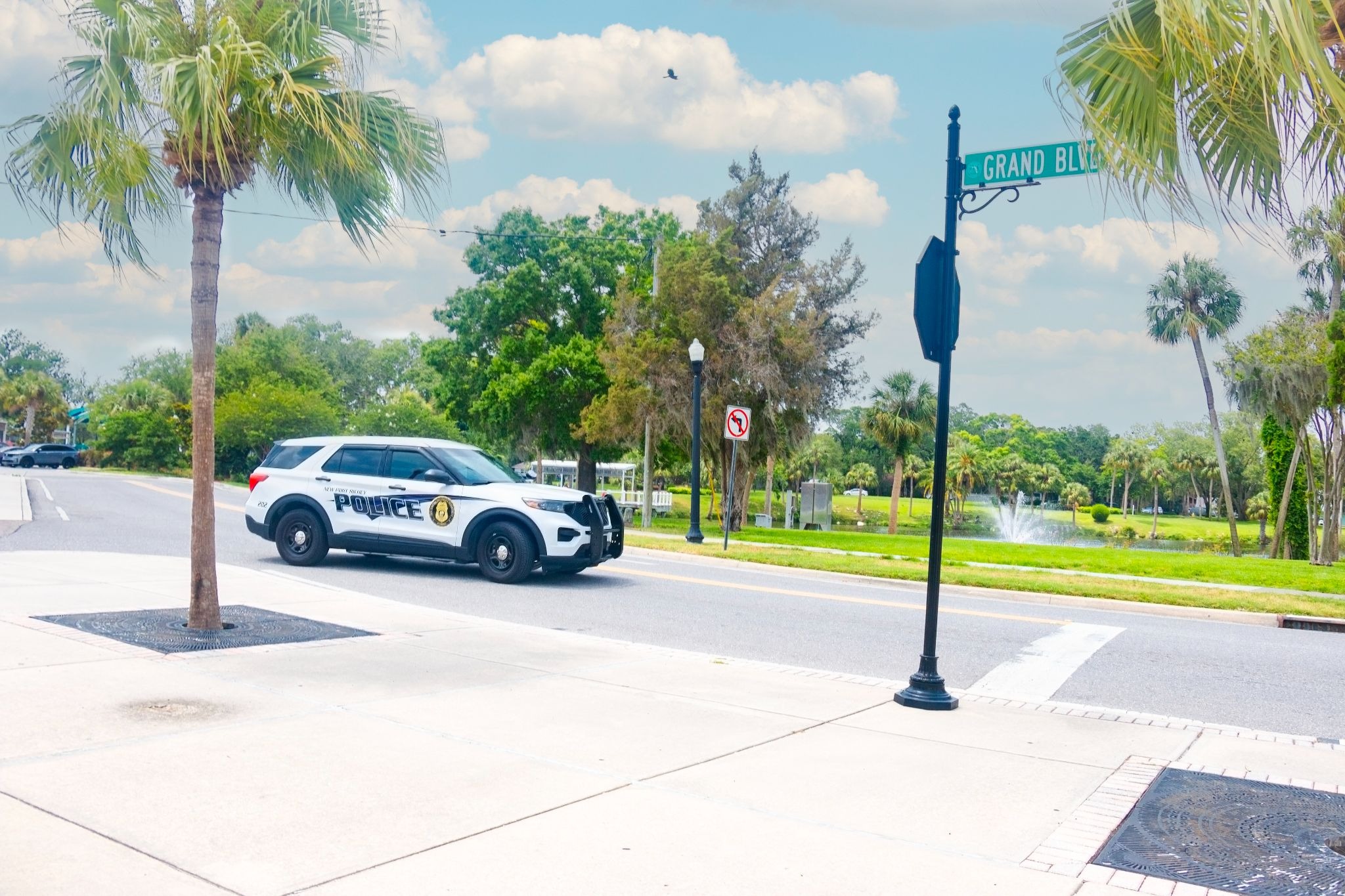
What Rights Do You Have During a Police Stop?
When you are stopped by a police officer in Florida, whether on foot or in your vehicle, you have certain rights protected by both state and federal laws:
-
The right to remain silent, except for required identification details in specific contexts.
-
The right to refuse consent to a search, unless there is probable cause or a warrant.
-
The right to ask if you are being detained or if you are free to leave.
-
The right to have legal counsel present during questioning if detained.
One common misconception is that you must answer every question an officer asks. In Florida, you do have to provide your name when requested, but you are not required to answer non-identifying questions. Remaining calm and polite, and stating that you wish to exercise your right to remain silent, is both legal and often advisable.
What Should You Say During a Police Stop?
Your words during a police stop can significantly impact the outcome. Here are some practical things to communicate:
-
Provide your driver’s license, registration, and proof of insurance if asked during a traffic stop.
-
If asked other questions, you can respectfully say, “I am invoking my right to remain silent.”
-
If the officer asks to search your vehicle or belongings, you may reply, “I do not consent to any searches,” unless they have a warrant or probable cause.
Do not argue, attempt to flee, or physically resist, as doing so may escalate the situation and could result in criminal charges. It is important to avoid volunteering additional information or making statements that are not directly responsive to the officer’s lawful requests.
Common Misconceptions About Interacting With Law Enforcement
There are persistent myths in Florida about what is allowed and what is not during a police stop. Some believe that you must consent to a search if requested, or that refusing to answer questions will automatically make you appear guilty. The reality is:
-
Refusing to consent to a search or to answer questions (except identifying yourself) is not an admission of guilt.
-
Officers sometimes use routine language to imply you have no choice and remain firm and respectful in asserting your rights.
-
Recording a police encounter in public spaces is generally legal in Florida, provided you do not interfere with law enforcement activities.
People in the Tampa Bay area should remember that police must have a legal basis to detain, search, or arrest you. If you believe your rights were violated during a traffic stop or street encounter, document the date, time, and officer’s information, and seek legal guidance promptly. Many clients have successfully challenged unlawful searches and traffic stops with the assistance of counsel focused on criminal defense and DUI representation.
How to Best Protect Yourself During a Stop
Preparation is key. Always have your documentation stored within easy reach if traveling by car. Stay inside your vehicle unless instructed otherwise. In all communications, remain professional and polite. If you feel your rights were infringed upon, avoid confrontation and instead reach out to an attorney trained in civil rights claims or related areas.
Contact Our Offices for Legal Guidance in West-Central Florida
If you are stopped by police in Tampa, Lakeland, or St. Petersburg, Florida, and have questions about your rights or believe those rights were violated, contact Dickstein Law today. You can reach us by phone at (813) 607-5899 or fill out our online form for a prompt, confidential consultation from our local legal team.